
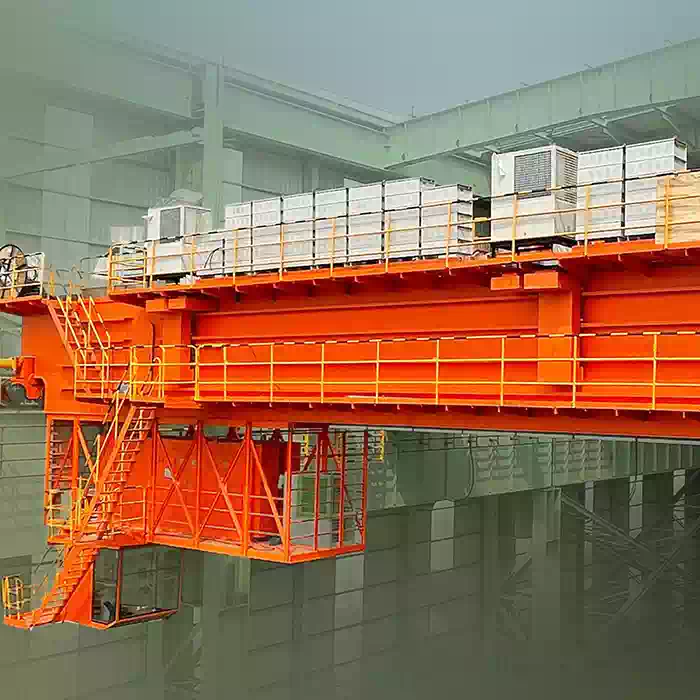
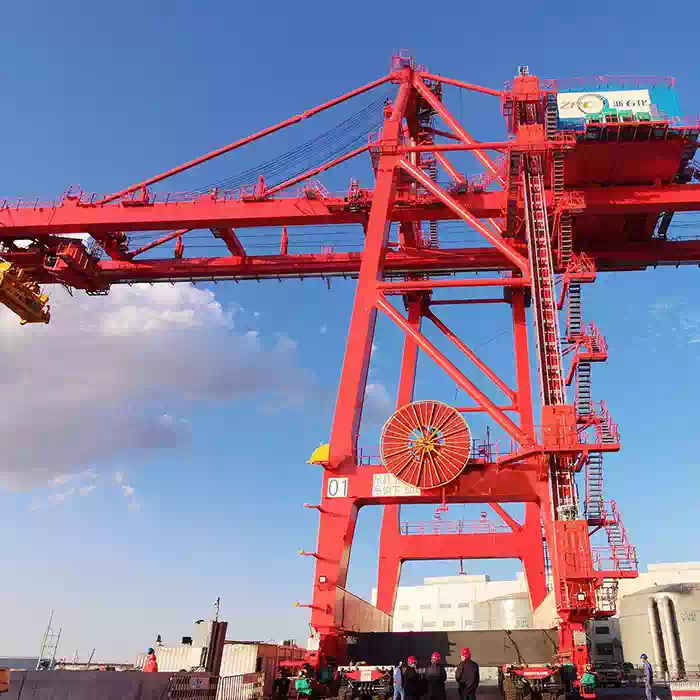
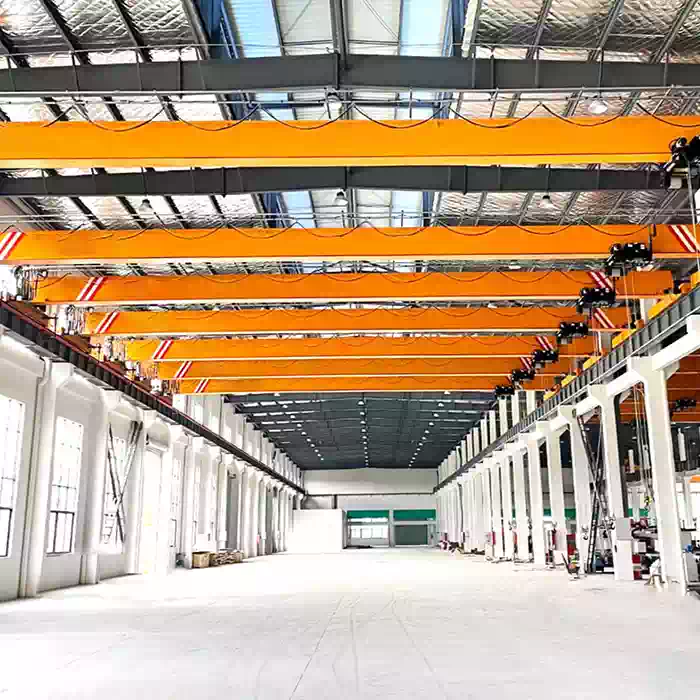
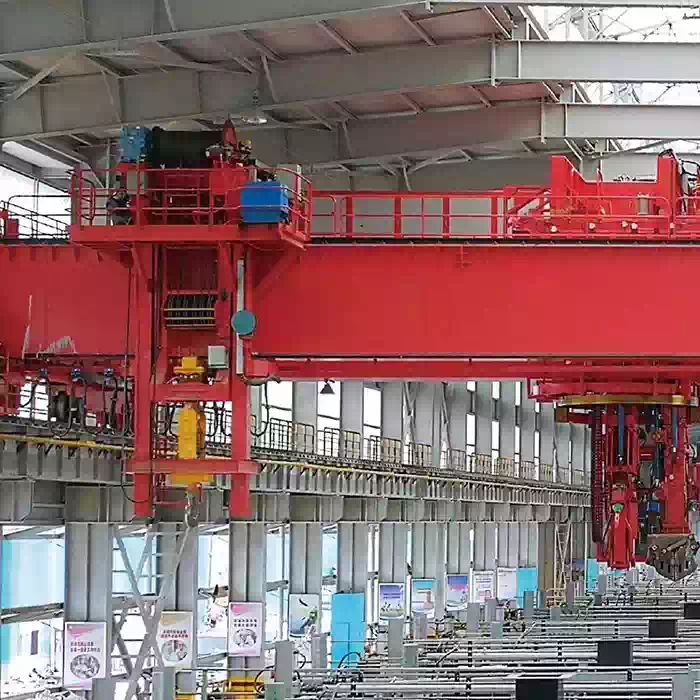

Aluminum smelters operate differently from ordinary factories. They contain a large number of electrolytic cells, where the aluminum smelting process takes place. As a result, electricity accounts for a significant share of operating costs, and even a power outage generally cannot last more than 4–5 hours.
High-current DC circuits and associated conductive structures are present in aluminum smelters, so the electrical insulation design of overhead cranes requires particular attention. Without suitable insulation, unintended electrical conduction may create serious hazards, including electric shock, sparks, and, in certain circumstances, fire or explosion.
This blog explains why electrical insulation is an important consideration for overhead cranes used in aluminum smelters.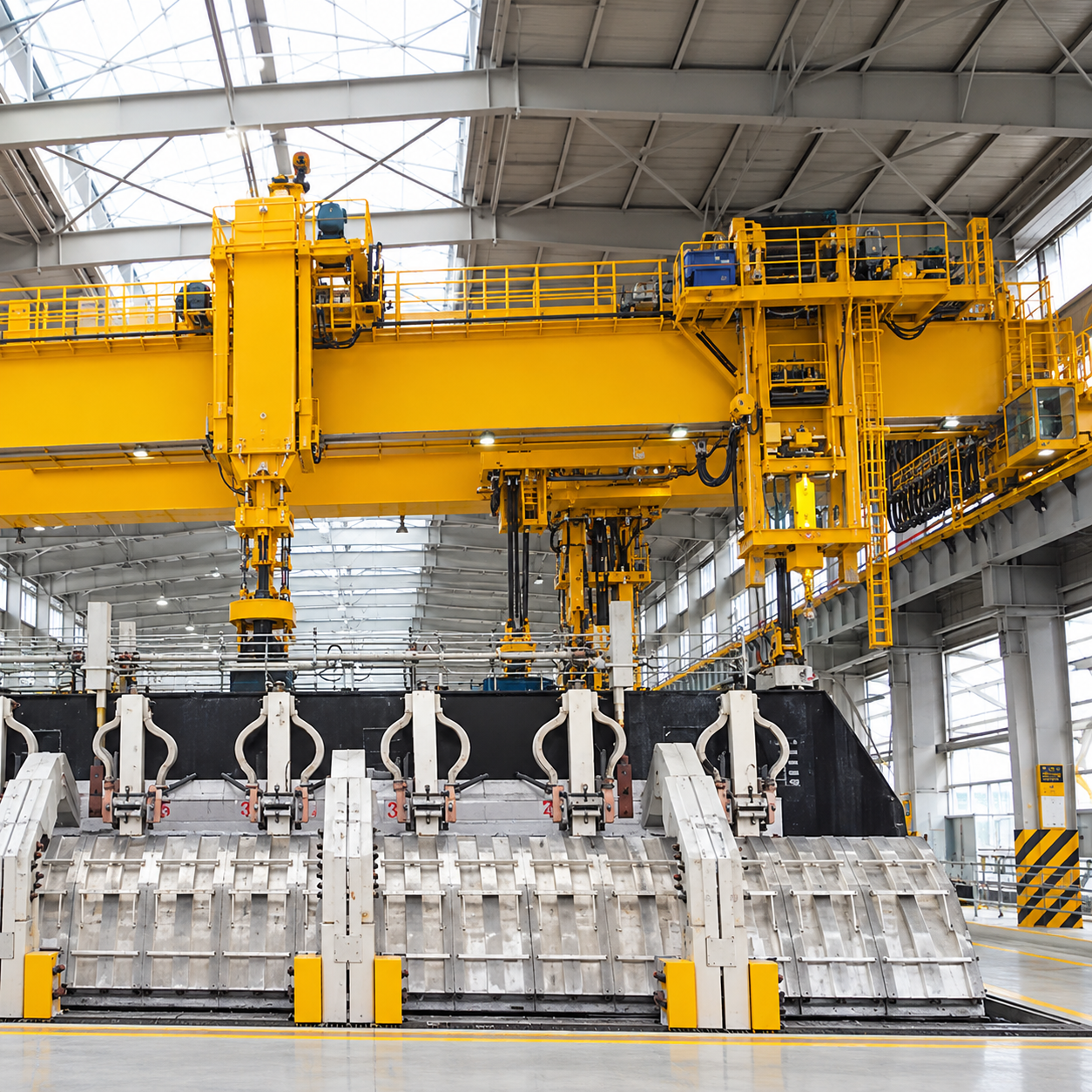
How Are Aluminum Smelters Different from Ordinary Industrial Workshops?
In many ordinary industrial facilities, such as cement plants, glass factories, ship repair yards, and steel fabrication workshops, one of the main operational hazards is the risk of a suspended load falling during lifting.
Aluminum smelters have an additional feature that makes their operating environment different.
As mentioned above, electrolysis takes place in electrolytic cells and involves direct currents reaching tens of thousands of amperes. Certain components, including cell shells and busbars, may also be electrically energized. In this sense, the workshop contains extensive conductive structures at different electrical potentials, and an electrical fault or unintended current path can create serious, difficult-to-predict hazards.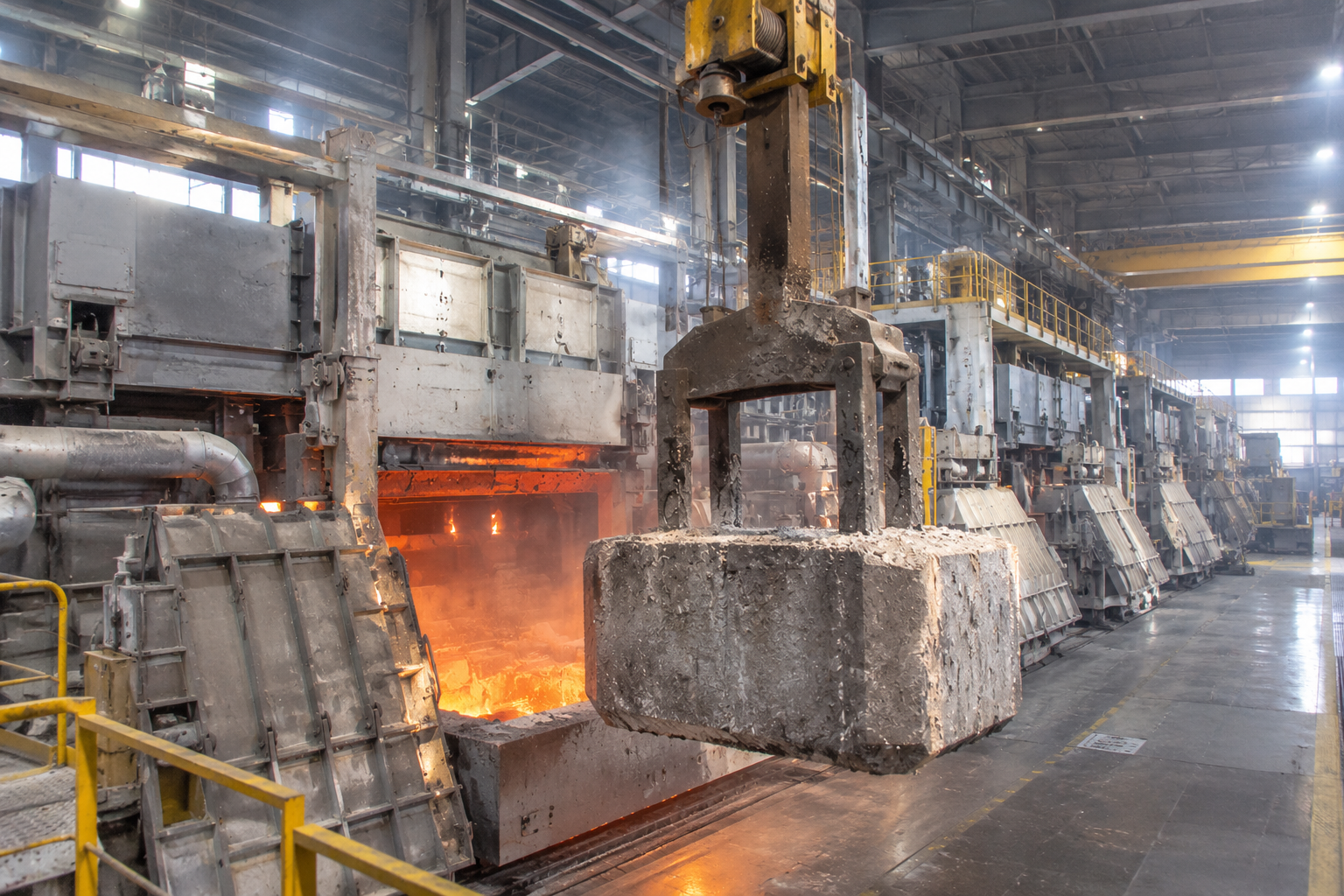
Why Do Overhead Cranes Need Electrical Insulation?
Because aluminum smelters contain high-current electrical systems and conductive structures, electrical insulation on an overhead crane serves three main purposes.
Reducing Risks from Unintended Current Paths
The main structures of an overhead crane, including the bridge and trolley, are usually made of metal and are therefore electrically conductive. Without appropriate insulation, they may form unintended electrical connections with conductive components at different potentials. This can create additional current paths, affect the intended current distribution, and potentially lead to arcing or equipment damage.
Note: The actual risk depends on the potential difference, the connection path, and the impedance of the circuit. A high current level in the workshop alone does not mean that a fault will necessarily occur.
Protecting Equipment and Personnel
Maintaining normal smelter operations is important, but protecting the crane and personnel working in the area is equally essential.
If a crane is not adequately insulated and unintended conduction occurs, workers may be exposed to an electric-shock hazard when they touch its metal components during maintenance or lifting operations. The consequences can be severe.
Electrical faults may also cause local heating at connection points, damage insulation components, or even lead to arcing and equipment failure.
Improving Reliability under Special Operating Conditions
Aluminum smelting workshops are often exposed to high temperatures, heavy dust, strong magnetic fields, and corrosive fumes. These harsh conditions can gradually degrade insulation materials. An insulation solution designed for heat, dust, and corrosion resistance should therefore be considered from the design stage. The crane’s duty classification, such as A7 or A8 where appropriate, must also be selected according to the actual operating requirements. These measures can help support stable operation, reduce unplanned downtime, and keep the electrolysis line running over extended production periods.
Which Parts of an Insulated Overhead Crane Need Special Attention?
Electrical insulation on an overhead crane is not necessarily limited to a single location. The following sections explain key considerations for three areas: the bridge and trolley, the hoisting mechanism, and electrical connections. The objective is to identify and control potential unintended current paths in cranes used in aluminum potrooms.
Insulation between the Bridge and Trolley
Both the bridge and the trolley contain metal structures and normally make mechanical contact through components such as wheels and rails. In an aluminum potroom, if a potential difference between the bridge and trolley needs to be isolated, the insulation design between these assemblies should be carefully evaluated.
The design review should not focus only on the wheel-to-rail contact points. The trolley frame, travel mechanism, and other metal connections should also be checked for possible bypass paths. Otherwise, current may still pass through another metal connection even if an insulating component has been installed at one location.
The insulation arrangement between the bridge and trolley should therefore be determined with reference to the complete crane structure, while taking into account operating loads, vibration, and long-term wear. Insulated sections must meet the required electrical isolation criteria without interfering with normal trolley travel.
Insulation in the Hoisting Mechanism
The hoisting mechanism includes components such as the motor, gearbox, drum, wire rope, and hook. It contains electrical equipment as well as interconnected metal structures. For an overhead crane used in an aluminum potroom, the site’s electrical conditions should be assessed to determine which parts of the hoisting mechanism require electrical isolation and whether the wire rope, hook, or lifting attachment could create another conductive path.
For example, if electrical isolation is required between the hoisting mechanism and the trolley frame, the review should go beyond the mounting location. Fixing bolts, mounting brackets, and other accessories must also be checked to ensure that they do not bypass the insulating components and create a conductive connection.
The hoisting mechanism is also subject to suspended loads, vibration, and forces caused by frequent starting and stopping. Its insulation design must therefore maintain both mechanical load-bearing capacity and electrical insulation performance. Electrical isolation should not come at the expense of connection reliability. The appropriate insulation arrangement should be determined according to the rated lifting capacity, hoisting mechanism layout, and electrical requirements at the site.
Electrical Connections and Other Potential Current Paths
In addition to the mechanical connections between the bridge, trolley, and hoisting mechanism, the power supply, cables, control circuits, and grounding connections should also be included in the review of the complete crane insulation design. Some connections may not be part of the main load-bearing structure, but they could still allow current to bypass an intended insulating barrier.
During manufacturing and assembly, particular attention should be paid to metal connections on both sides of insulated sections, fasteners, cable routing, and auxiliary devices. This helps prevent the intended isolation design from being compromised by missing insulation, assembly errors, or later modifications. Depending on the actual lifting method, the hook, lifting attachment, and workpiece should also be assessed for possible additional conductive paths.
Insulation does not mean that every metal component should be electrically separated from every other component. The parts that require insulation, as well as those that require reliable grounding or equipotential bonding, must be determined according to the site’s electrical system and the overall crane design. For an aluminum potroom, the insulation structure, power supply system, and protective measures should be assessed as a whole. Otherwise, addressing one location alone may leave other potential current paths unexamined.
Conclusion
Electrical insulation is an important consideration when selecting an overhead crane for an aluminum smelter. It helps reduce the risk of unintended current paths, protects equipment and personnel, and supports reliable operation under demanding working conditions.
For buyers, selecting a suitable insulated overhead crane requires more than simply specifying that the crane must be insulated. Information about the site’s electrical system, rated lifting capacity, lifting height, operating frequency, and actual working conditions should be provided during the design stage. These details help the manufacturer identify potential electrical risks and determine which parts of the crane require insulation.
From the manufacturer’s perspective, a reliable insulation solution should be designed around the complete crane structure and the electrical conditions at the site. Key insulation points, possible bypass paths, mechanical strength, and inspection and maintenance requirements all need to be considered. The insulation design should also work together with the site’s grounding and other electrical protection measures.
At KORIG, crane selection and insulation design should be based on the customer’s actual operating conditions rather than a one-size-fits-all configuration. By evaluating the application requirements before manufacturing, a suitable crane solution can be developed to meet the site’s lifting needs and electrical safety requirements.


